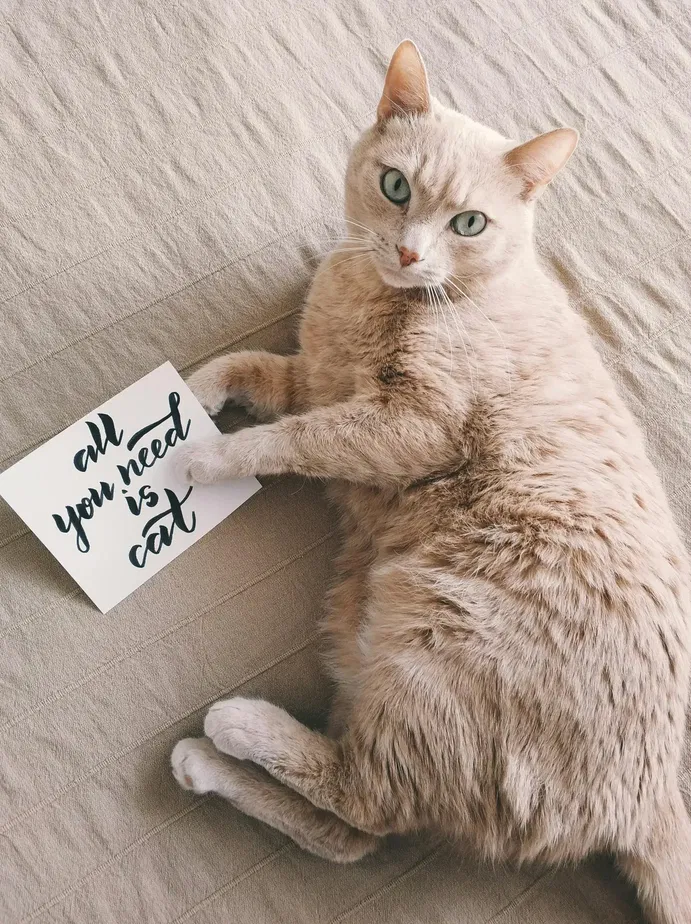

Signs Your Cat Loves You — What the Science Says
Reviewed by Dr. Ameer Hamza, DVM
Cats have a reputation for being aloof and indifferent to their owners that is, according to an increasing body of research, considerably overstated. They show affection — but they show it differently from dogs, and many of their affiliation signals are either subtle, misread, or overlooked by owners expecting dog-like demonstrations of devotion. This guide covers the genuine, science-supported signs that your cat is bonded to and trusts you — from the well-known to the less obvious.
Following You and Proximity Seeking
One of the most meaningful signs of feline attachment is simply choosing to be near you. A cat that follows you from room to room, sits near you while you work, and chooses to sleep in the same room — even if not on your lap — is displaying affiliative proximity behaviour. Cats are territorial animals that choose their resting locations carefully; choosing to be near a specific person is a genuine social choice. Research using the Strange Situation Test found that cats showed secure attachment behaviours similar to those documented in dogs and human infants — using their owner as a secure base to explore from and returning to them after a brief separation. Not all cats are equally demonstrative, but proximity-seeking is a clear signal in cats that express it.
The Slow Blink (Cat Kiss)
The slow blink — a half-squinting, slow eye closure when making eye contact with you — is one of the best-documented affiliative signals in cats. Sustained direct eye contact between cats is a challenge or threat signal; deliberately breaking eye contact by partially closing the eyes signals non-threat and de-escalation. Research demonstrated that cats slow blink preferentially in response to humans who slow blink at them, and that a slow-blinking human facilitates more friendly approaches from unfamiliar cats. When your cat slow blinks at you, they are signalling relaxation and trust in your presence. Try slow blinking back — many cats will respond by slow blinking in return or approaching.
Bunting and Rubbing
Headbutting (bunting) and facial rubbing are scent-marking behaviours that simultaneously bond the cat to the person and include the person in the cat's scent-marked territory. Cats have scent glands on their forehead, cheeks, chin, and flanks. Rubbing these areas against you deposits pheromones that mark you as familiar and safe. In cat-to-cat social dynamics, bunting is used between bonded individuals as part of social grooming and group-scent maintenance. When your cat buntings your hand or face, they are including you in their social group — a meaningful expression of social bonding. The intensity and frequency of bunting varies between individuals; cats that bunt their owners frequently are expressing high social comfort with that person.
Kneading
Kneading — the rhythmic pushing motion of the front paws against a soft surface (often the owner's lap) — is a behaviour that originates in kittenhood, when kittens knead against their mother during nursing to stimulate milk flow. Kneading in adult cats is associated with states of comfort, security, and contentment. When a cat kneads on your lap or against your body, they are in a physiologically and emotionally relaxed state and are expressing the feeling of safety and comfort associated with the most secure experience of their early life. It is an unambiguous positive emotional signal.
Bringing Gifts
Cats that bring dead prey or toy mice to their owners are engaging in social provisioning — sharing their hunt with a member of their social group. This behaviour is more common in cats with a strong bond to their owner and reflects social inclusion. The owner's reaction (however horrified) functions as a social interaction that reinforces the behaviour. Read it as an expression of social inclusion, not a miscommunication.
Sleeping Near or on You
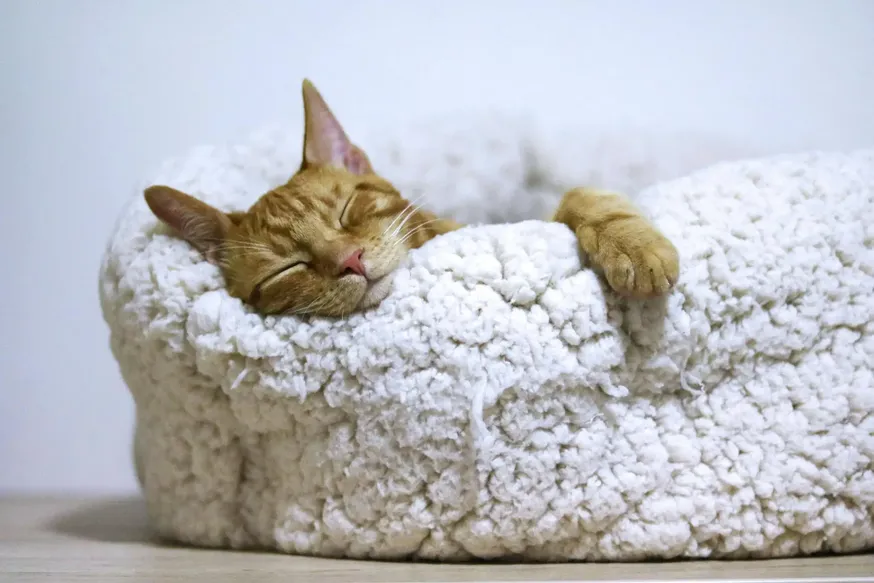
Cats sleep for 12–16 hours daily and choose their sleeping spots carefully based on safety, warmth, and social comfort. A cat that chooses to sleep on your lap, on your feet, or immediately next to you in bed is making a meaningful choice about safe proximity. Sleep involves vulnerability — choosing to sleep near a person is a genuine trust signal.
Trilling and Chirping Vocalisations
The trill and chirp vocalisations cats produce are distinct from other cat vocalisations and are specifically social sounds — used between bonded cats and between a queen and her kittens. Adult cats generally produce these sounds only toward humans and animals they have a positive social relationship with. If your cat trills when they walk into the room where you are, they are greeting you as a social companion. It is a different communication from the meow, which is used broadly to communicate needs and is directed toward humans even by cats with minimal human bond.
Frequently Asked Questions
Do cats actually love their owners?
Research confirms cats form genuine secure attachment bonds with their owners. The scientific evidence strongly supports meaningful social bonding even if the subjective experience cannot be confirmed.
What is the slow blink?
A half-squinting eye closure that signals relaxation and non-threat in your presence. Slow blink back — many cats respond in kind. Science-backed as a genuine affiliative signal.
Why does my cat headbutt me?
Bunting is social scent marking that includes you in the cat's social group. Used between bonded cats — when directed at you, it is a meaningful affiliation signal.
What does belly exposure mean?
The highest expression of trust and relaxation — not an invitation to touch. Many cats that belly-roll will bite or scratch if their belly is handled.
Why does my cat bring me dead animals?
Social provisioning — sharing their hunt with a trusted social companion. It is an expression of social inclusion, not mischief.
For more on cat behaviour and communication, see our cat body language guide and the complete cat care guide.
Disclaimer: This article is for educational purposes only. Individual cats vary significantly in how they express affection — a cat that does not display all these signs is not necessarily unhappy or unbonded.
For a full overview of cat health, nutrition, behaviour, and grooming, see the complete cat care guide.

About the Author
Reena Scot Pet Care Expert & Certified Feline SpecialistReena has over a decade of experience in feline health, behaviour, and nutrition. She has worked with animal shelters, veterinary clinics, and cat adoption programmes, helping owners make informed decisions about care, diet, and long-term wellness for their cats.

✓ Veterinary Reviewed
Dr. Ameer Hamza, DVM Companion Animals (Cats, Dogs, Birds, Fish) Manj Pets & Veterinary Clinic — Lahore, PakistanDr. Ameer Hamza is a Lahore-based veterinarian practising at Manj Pets & Veterinary Clinic. He specialises in companion animal care including preventive health, nutrition, and clinical treatment for cats and dogs.
LinkedIn ProfileReviewed for medical accuracy — not a substitute for professional veterinary advice. Learn about our review process.